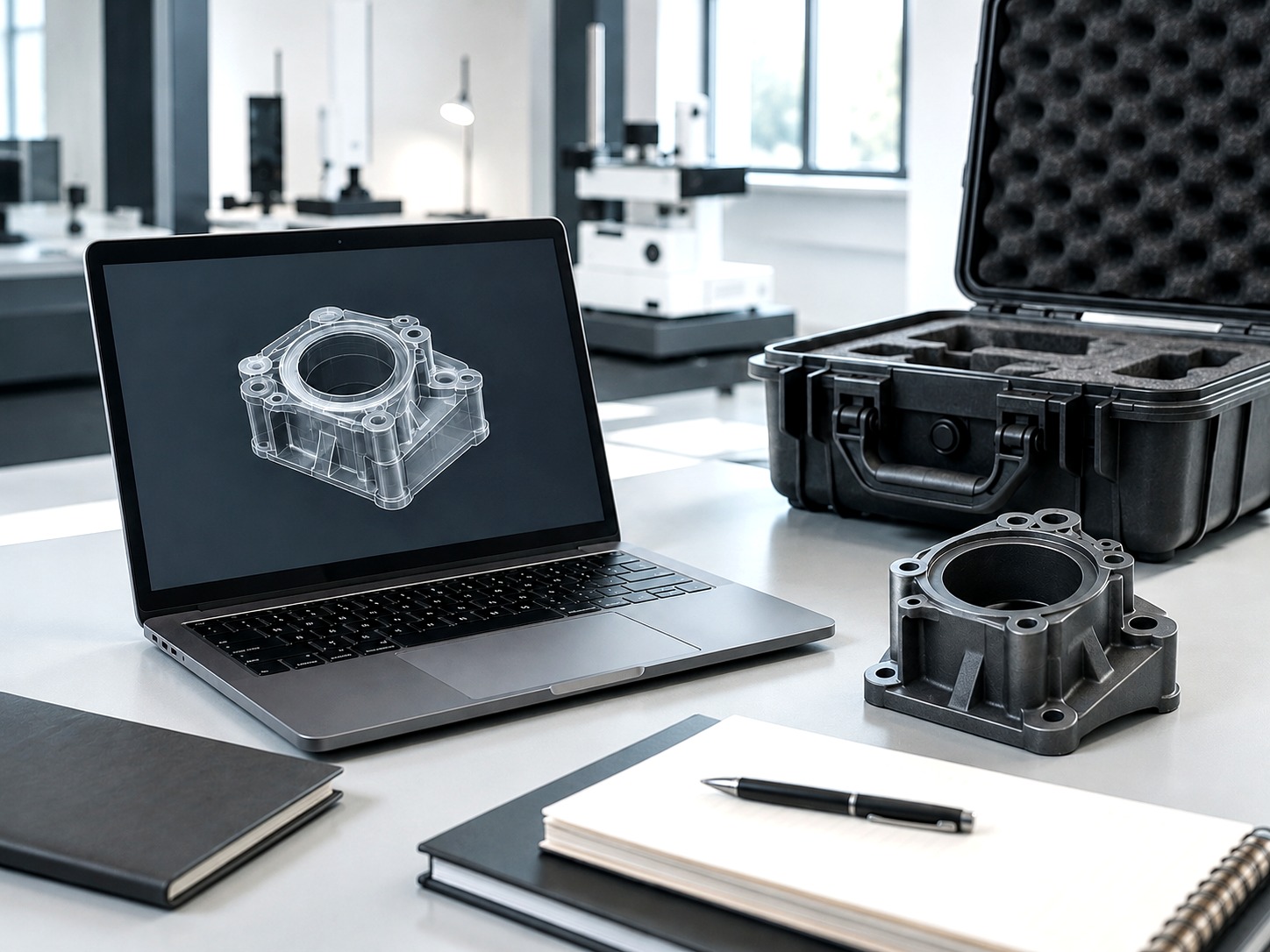
New tooling
First custom mould
For projects moving from part design, prototype, or product requirement toward a first custom mould.

Custom injection moulds
Use this path when your project needs custom tooling, DFM-aware preparation, clearer mould planning, or a better-organised RFQ before qualified manufacturing partner follow-up.

When this route fits
Custom injection mould projects are shaped by more than the part file. Tooling approach, expected volumes, resin choice, tolerances, cosmetic requirements, sampling goals, and production intent all affect how a project should be reviewed.
InjectionMouldHub helps buyers organize the information that makes a mould review more useful before the inquiry is routed for qualified manufacturing partner follow-up.
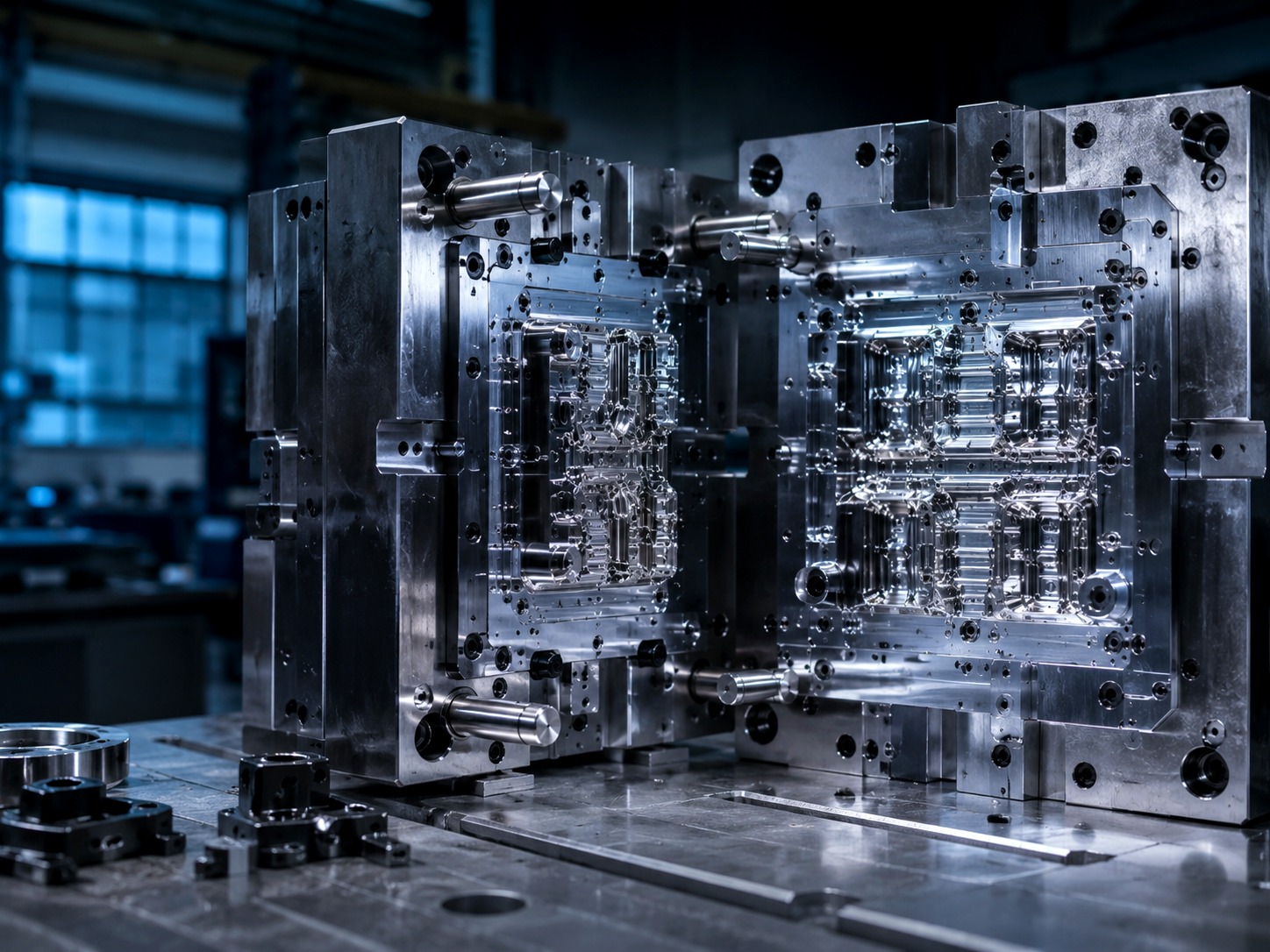
Project routes
Each route points to a different kind of buyer need. The goal is to reduce ambiguity before the RFQ moves forward.
For projects moving from part design, prototype, or product requirement toward a first custom mould.

For parts that may need manufacturability review before tooling assumptions become costly to change.

For projects where function, cosmetic finish, assembly fit, or dimensional reliability matter.

For buyers thinking ahead to sampling, repeatability, quality expectations, and production handoff.
Quote readiness
The more complete the project context, the more useful the review can be. You do not need every answer before getting in touch, but these inputs make the intake stronger.
Custom mould process
This page does not replace technical engineering review. It helps buyers prepare the right information before the manufacturing conversation starts.
Send drawings, CAD files, quantities, material notes, or early project context.
The submission is checked for project stage, tooling questions, and missing RFQ inputs.
DFM, material, tolerance, volume, and production-path questions can be identified earlier.
When appropriate, the project is prepared for manufacturing partner review.

Tooling questions
A useful custom mould RFQ should clarify part intent, manufacturability, production expectations, material assumptions, and quality requirements. This makes the next manufacturing conversation more practical.
Choose your next step
Some buyers are ready to submit files. Others need help clarifying manufacturability, quantities, material choice, or what belongs in the RFQ.
Send the files, quantities, material notes, and application details so the intake can be reviewed.
Send Drawings →Use DFM support when geometry, draft, wall thickness, material, or tooling assumptions are uncertain.
View DFM Support →Use the quote form when your project has enough detail for a more complete review.
Request a Quote →
Start the review
Submit drawings, CAD files, quantities, material notes, and project goals. The intake is reviewed before qualified manufacturing partner follow-up.
Custom mould FAQ
Helpful items include 2D drawings, STEP or STP files, expected quantities, material preference, application details, tolerances, surface finish needs, and timing goals.
Yes. Early-stage projects can still benefit from DFM-aware intake, especially when tooling assumptions, material choices, or production volumes are not yet fully clear.
No. InjectionMouldHub uses manual review so the inquiry can be checked for completeness before qualified manufacturing partner follow-up.
You can explain the current tooling situation in the intake form. Existing tooling, transfer tooling, or redesign questions may require additional context before review.
Yes. The site is designed around North America-facing communication, secure file review, quote readiness, and structured partner handoff.
Your project details are collected for review. Qualified inquiries can then be prepared for manual manufacturing partner follow-up rather than being routed blindly.