
Geometry review
Wall thickness and draft
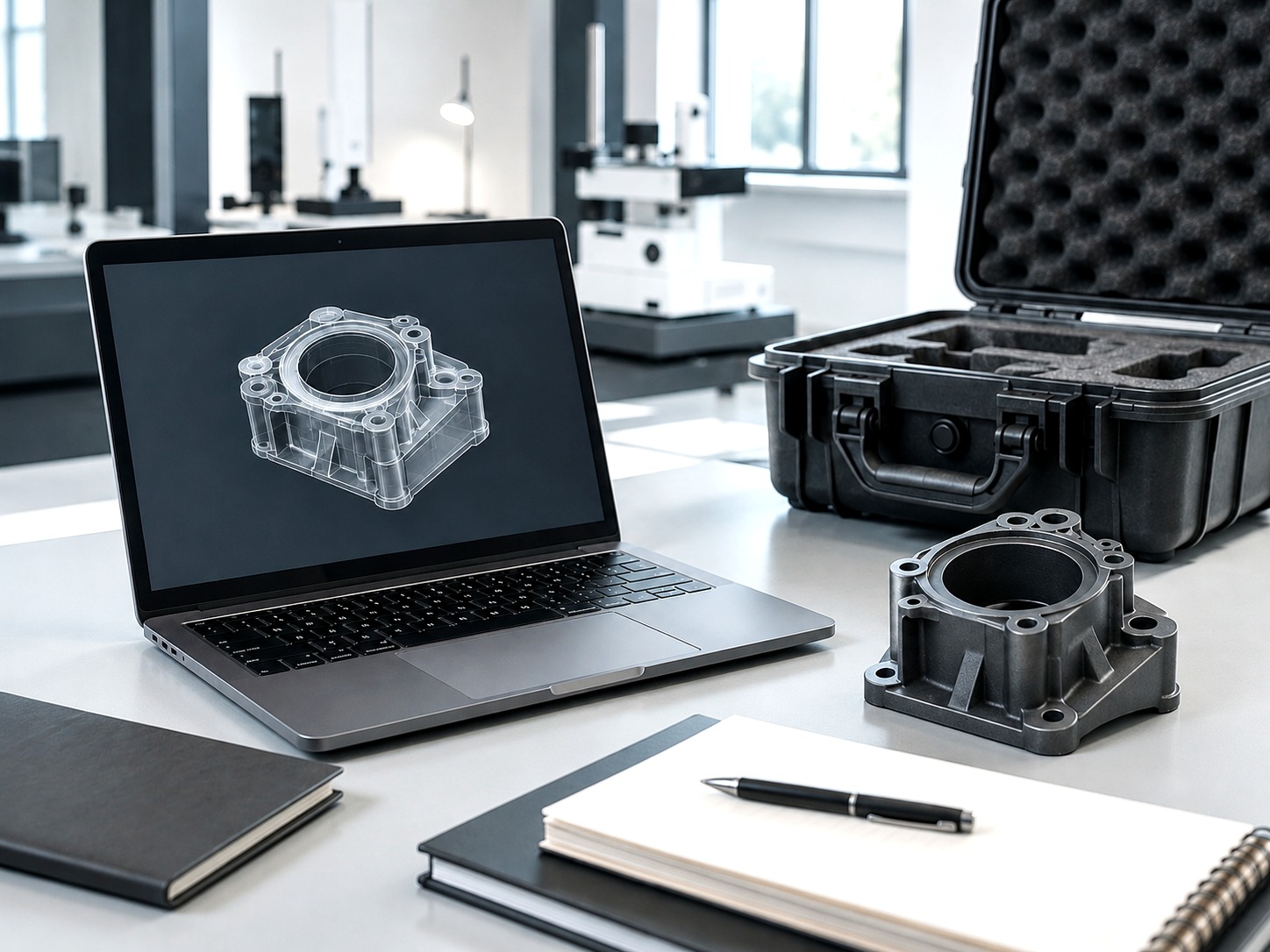
Review whether part walls, draft angles, and transitions are likely to create moulding or ejection concerns.

DFM Support
Use this path when your design needs manufacturability context before tooling, quoting, sampling, or partner review. DFM support helps buyers organize the details that make injection moulding projects easier to assess.

When this route fits
A part can look complete on screen and still create avoidable issues once it moves toward tooling. Wall thickness, draft, ribs, bosses, undercuts, material behaviour, surface finish, and tolerance expectations can all change how useful a quote or manufacturing review will be.
InjectionMouldHub helps buyers prepare the right design context before qualified manufacturing partner follow-up. The goal is not to bury you in technical language. It is to make the next conversation clearer, faster, and more useful.
Manufacturability checks
The strongest RFQs usually come from better design context. These checks help identify details that may affect mouldability, cost drivers, tooling assumptions, and production reliability.
Review whether part walls, draft angles, and transitions are likely to create moulding or ejection concerns.
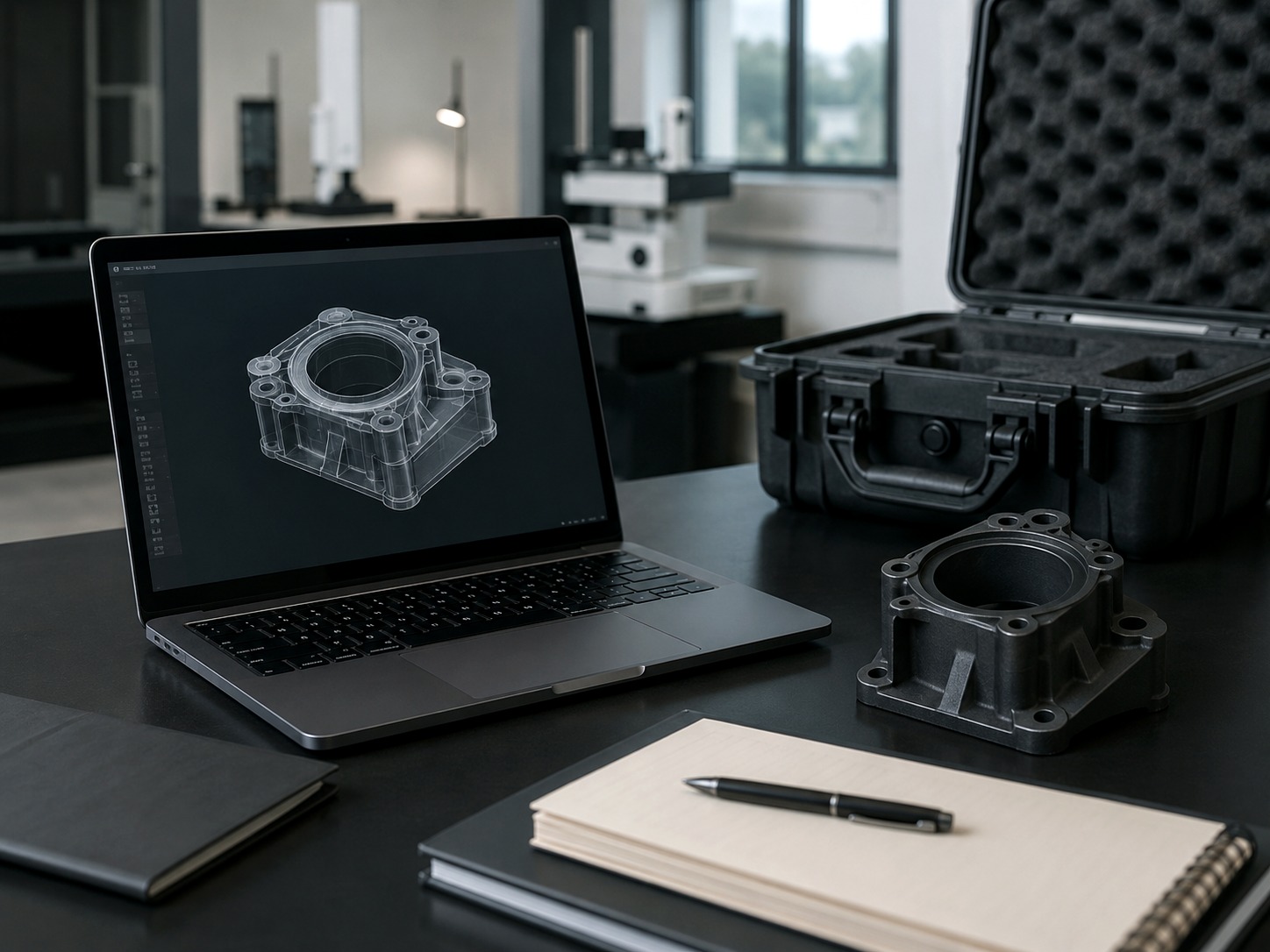
Clarify how internal features, mounting bosses, ribs, holes, snaps, and undercuts may affect tooling.
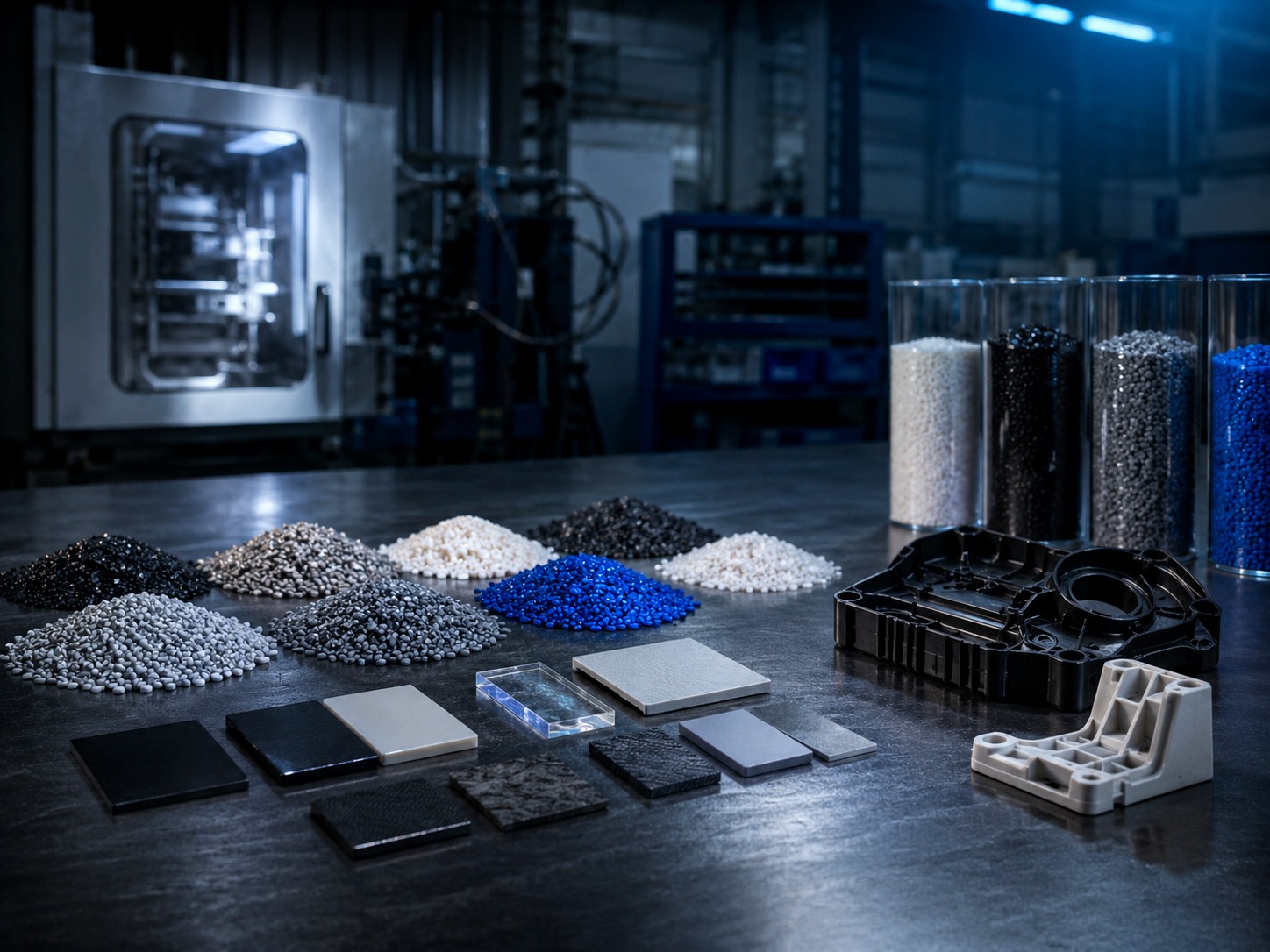
Connect material preferences to performance, shrinkage, cosmetic expectations, and production practicality.

Separate functional requirements from nice-to-have precision so the review can focus on what matters most.
What to send
You do not need a perfect package to begin. Send what you have, and the review can help identify what is clear, what is missing, and what should be clarified before quoting.
DFM process
DFM support helps buyers understand whether the project should move toward quote intake, drawing upload, tooling review, or deeper design clarification.
Upload CAD files, drawings, part sketches, material notes, or early project questions.
The submission is checked for project stage, file readiness, and likely manufacturability questions.
Missing design, material, tolerance, or quote-readiness details can be identified earlier.
The project can move toward RFQ intake, custom mould review, part supply review, or partner follow-up.

Why this matters
When design details are unclear, suppliers may quote conservatively, ask repeated follow-up questions, or miss risks that only become visible later. DFM support helps bring those practical questions forward before a project moves too far.
Buyer-stage routing
Different buyers arrive with different levels of design readiness. This page helps route that uncertainty instead of forcing every visitor into the same quote request.
Use DFM support to identify likely mouldability questions before investing more time into a design direction.
Send Early Files →Use the intake to prepare drawings, CAD files, material notes, and RFQ context before partner follow-up.
Request Review →If the mould path is central to the question, custom tooling review may be the better next page.
Custom Moulds →If production volume, repeatability, or quality is the main concern, review the plastic parts route.
Plastic Parts →
Ready for clearer DFM review?
We’ll review the project context before qualified manufacturing partner follow-up and help clarify whether the next step is RFQ, drawings upload, tooling review, or production-path review.
DFM FAQ
Before tooling decisions are final. DFM is especially useful when your part design, material, wall thickness, draft, tolerances, or cosmetic expectations may affect quote quality or mouldability.
Useful files include 3D CAD files, 2D drawings, target quantities, material preferences, application details, tolerance notes, surface requirements, and any known project goals.
Yes. Many early-stage projects benefit from manufacturability review before a formal RFQ is useful.
No. InjectionMouldHub is an intake and routing layer. The goal is to organize project context and support clearer review before qualified manufacturing partner follow-up.