Define the part’s job
Describe what the part must do, where it will be used, what it connects to, and what would count as unacceptable performance.

Quality control guidance
Quality is easier to discuss when the important details are visible early. Use this page to organize tolerances, inspection needs, surface expectations, material requirements, samples, documentation, and approval-stage questions before manual review.
Manual review before qualified manufacturing partner follow-up. Not final testing, certification, or production approval.

Review sequence
InjectionMouldHub helps buyers organize the quality information that makes partner follow-up more useful. The goal is clearer intake, not premature promises.
Describe what the part must do, where it will be used, what it connects to, and what would count as unacceptable performance.
Identify the fit, assembly, movement, sealing, or cosmetic dimensions that matter most before the project moves into quote review.
Share material direction, colour, surface finish, texture, exposure conditions, and any known performance requirements.
Upload CAD files, 2D drawings, photos, part samples, prior supplier notes, inspection concerns, or known failure examples when available.
Use Send Drawings for file-first review, Request a Quote when details are ready, or DFM Support when manufacturability is uncertain.
Choose the right path
Some projects are ready for quote intake. Others should begin with drawings, samples, or DFM support so the quality conversation starts in the right place.
Files and samples available
Use this path when you have CAD, 2D drawings, sample photos, tolerance notes, existing quality issues, or partial information but are not sure the project is quote-ready.
Send DrawingsDetails are clear
Use this path when quantities, files, material direction, tolerance priorities, finish expectations, timing, and delivery context are ready to support RFQ intake.
Request a QuoteDesign risk is unclear
Use this path when wall thickness, draft, ribs, bosses, undercuts, material behaviour, surface finish, or tooling practicality may affect quality outcomes.
Review DFM SupportWhat to clarify
You do not need a complete quality manual to begin. A clear description of the most important requirements can reduce confusion and route the project more accurately.
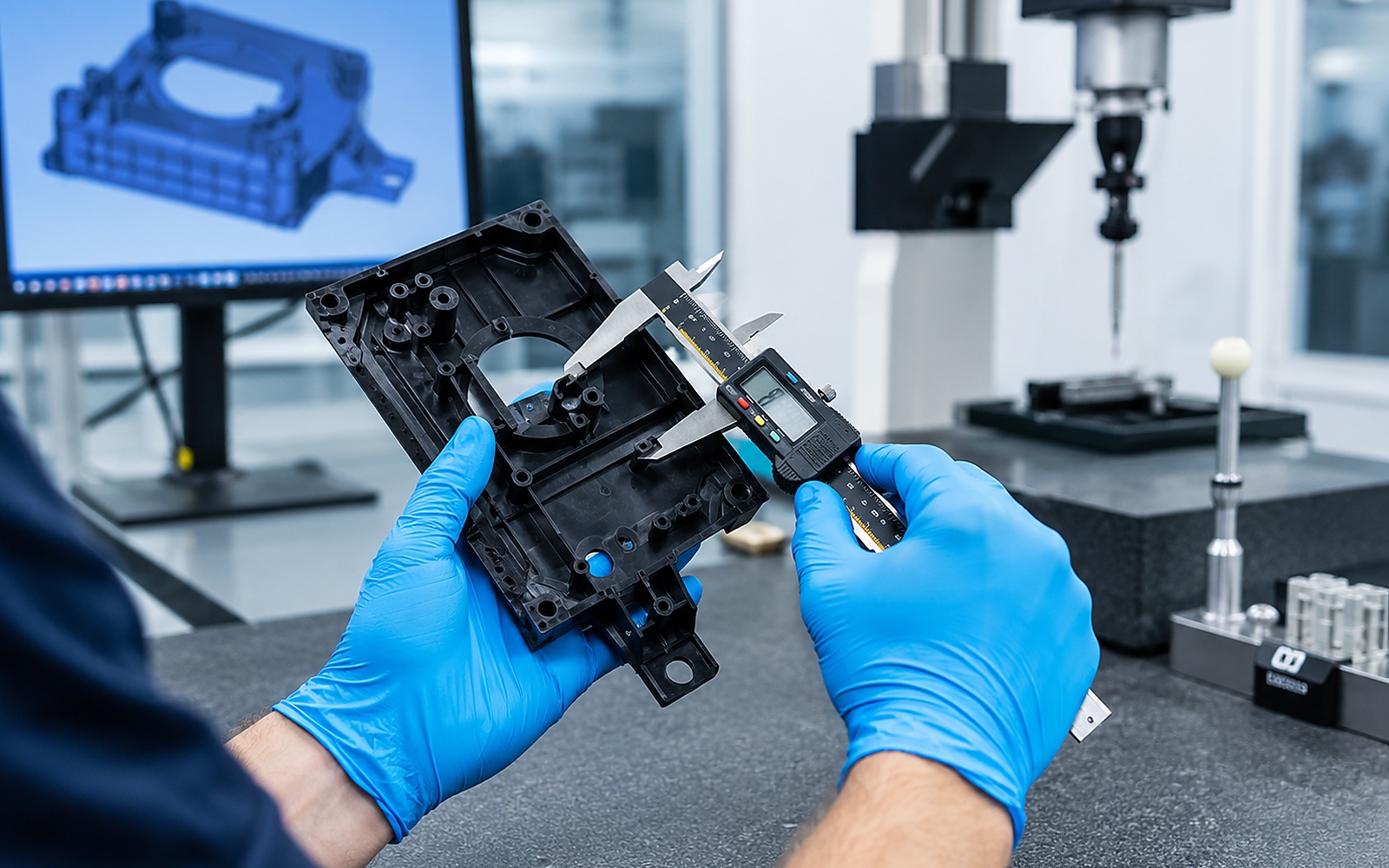
Critical dimensions
Identify the dimensions that control fit, assembly, sealing, movement, performance, or customer-facing function before quote review.
Send drawings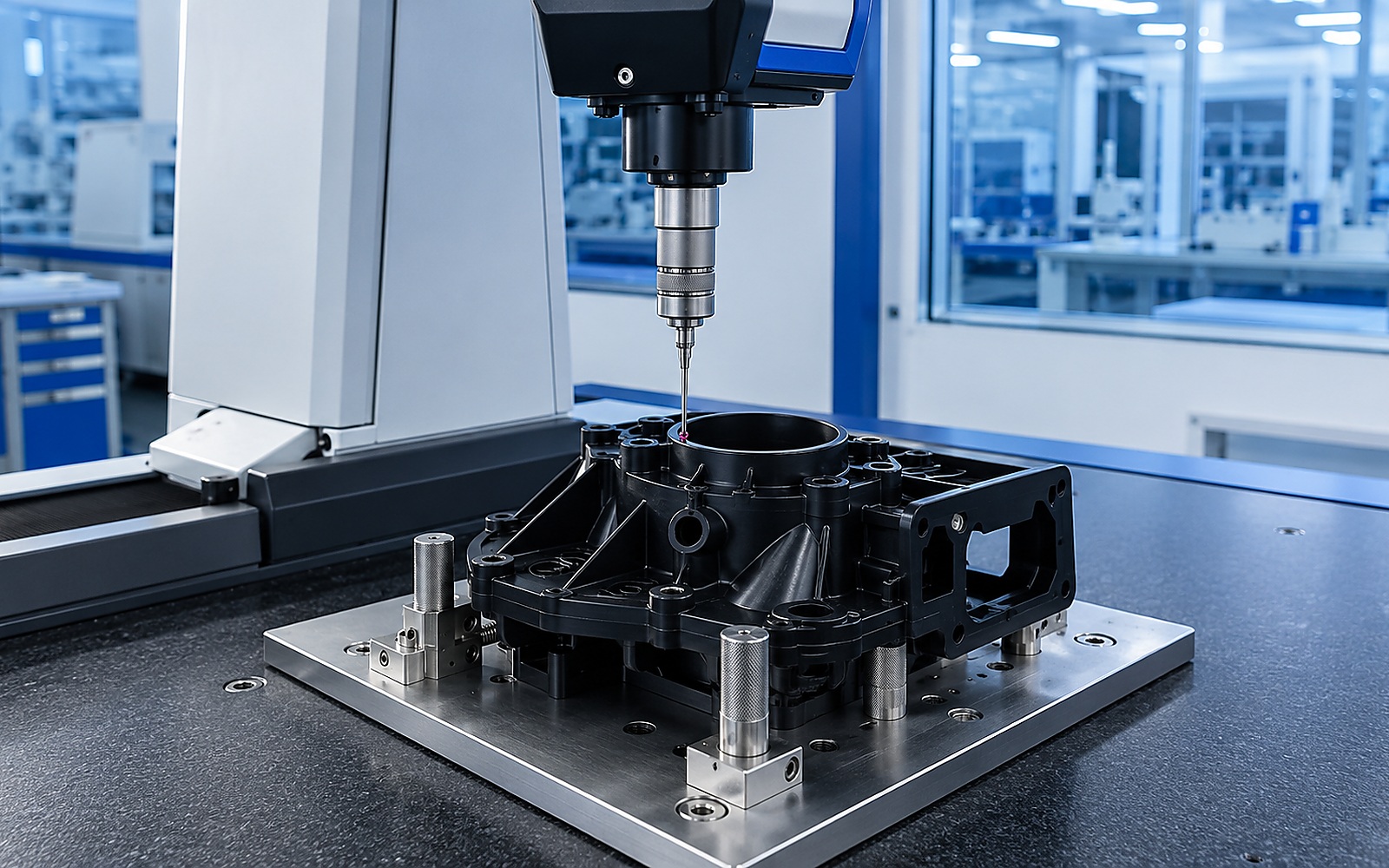
Inspection method
Clarify whether visual checks, calipers, gauges, CMM, first-article review, or documented inspection may be relevant to the project.
Review process guidance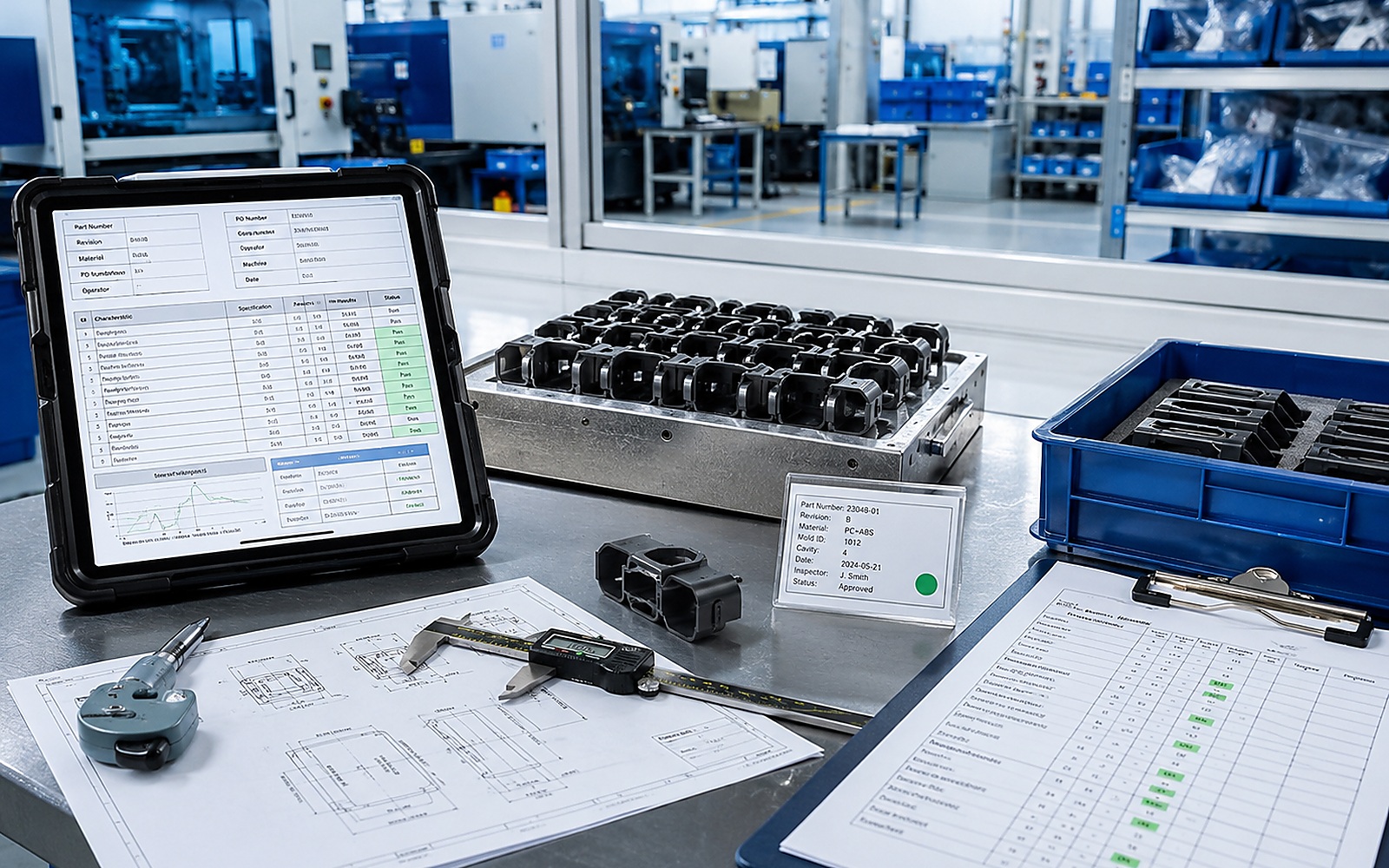
Material consistency
Resin grade, additives, colour, finish, filler, regrind expectations, and material sourcing can affect repeatable quality.
Material guidance
Surface and cosmetic needs
Visible parts need clearer expectations around texture, gloss, colour match, sink, flash, scratches, parting lines, and finish.
Review DFM support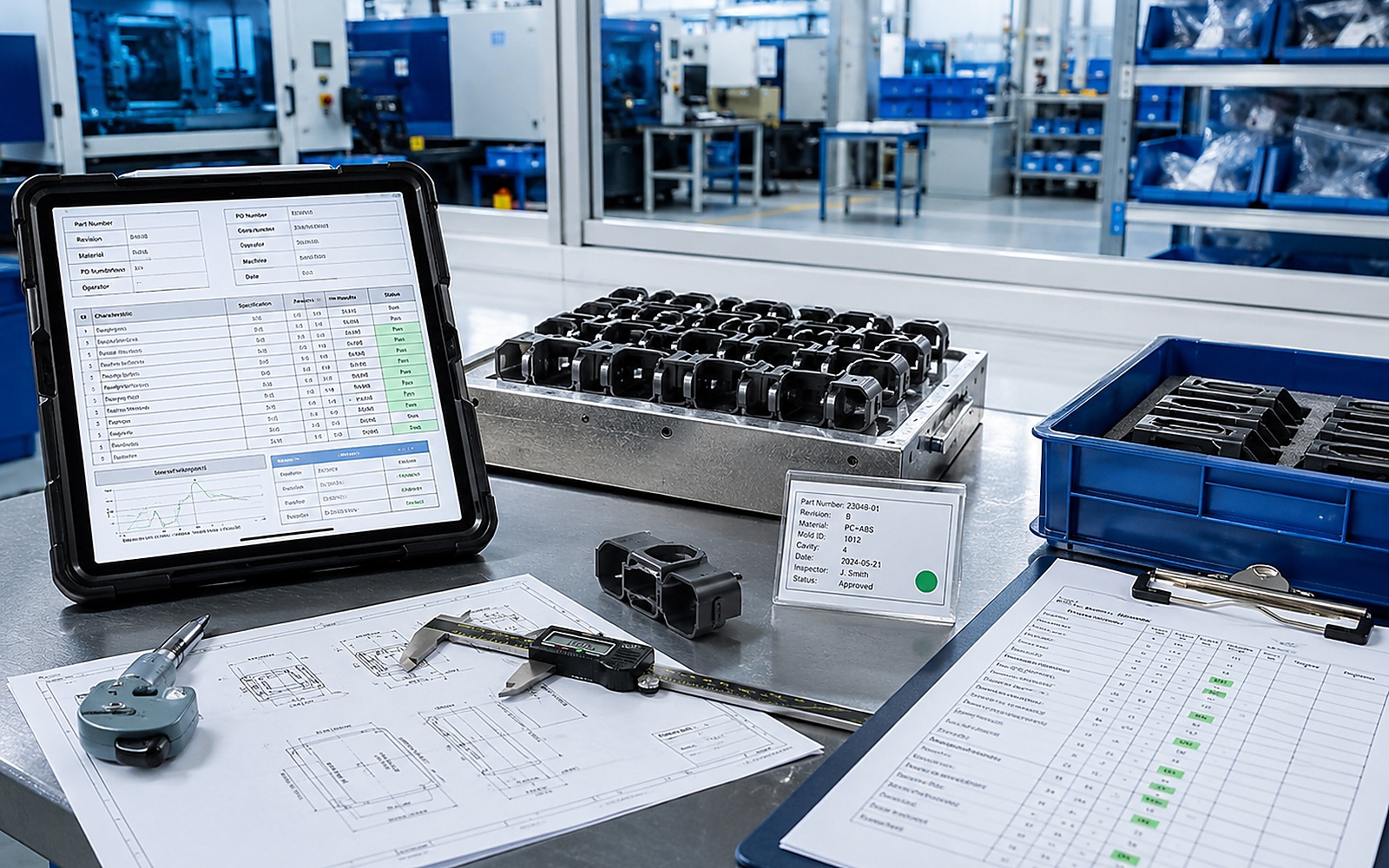
Documentation expectations
Some projects need drawings, inspection records, first-article notes, certificates, packaging details, or approval-stage documentation.
RFQ preparation guide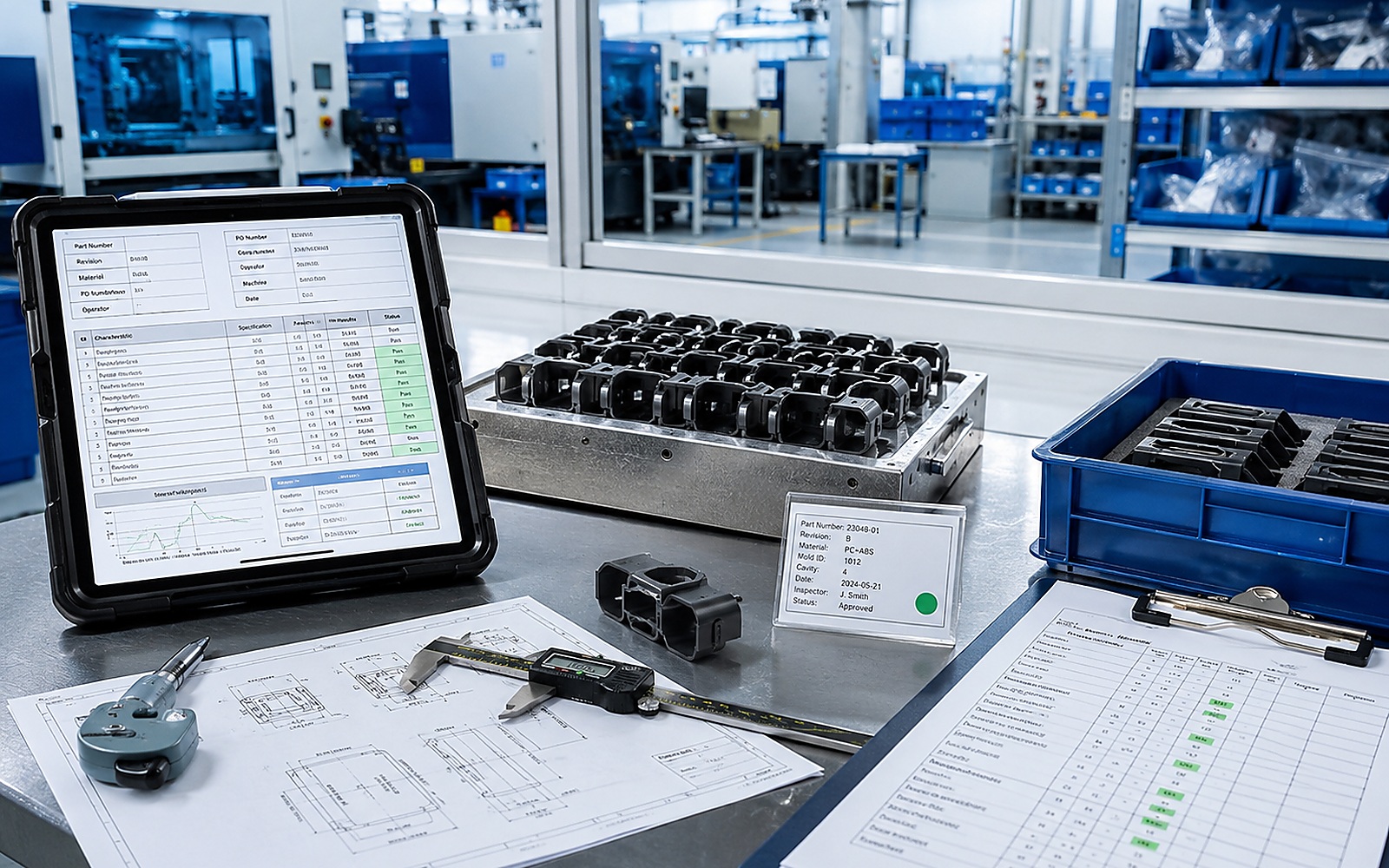
Production repeatability
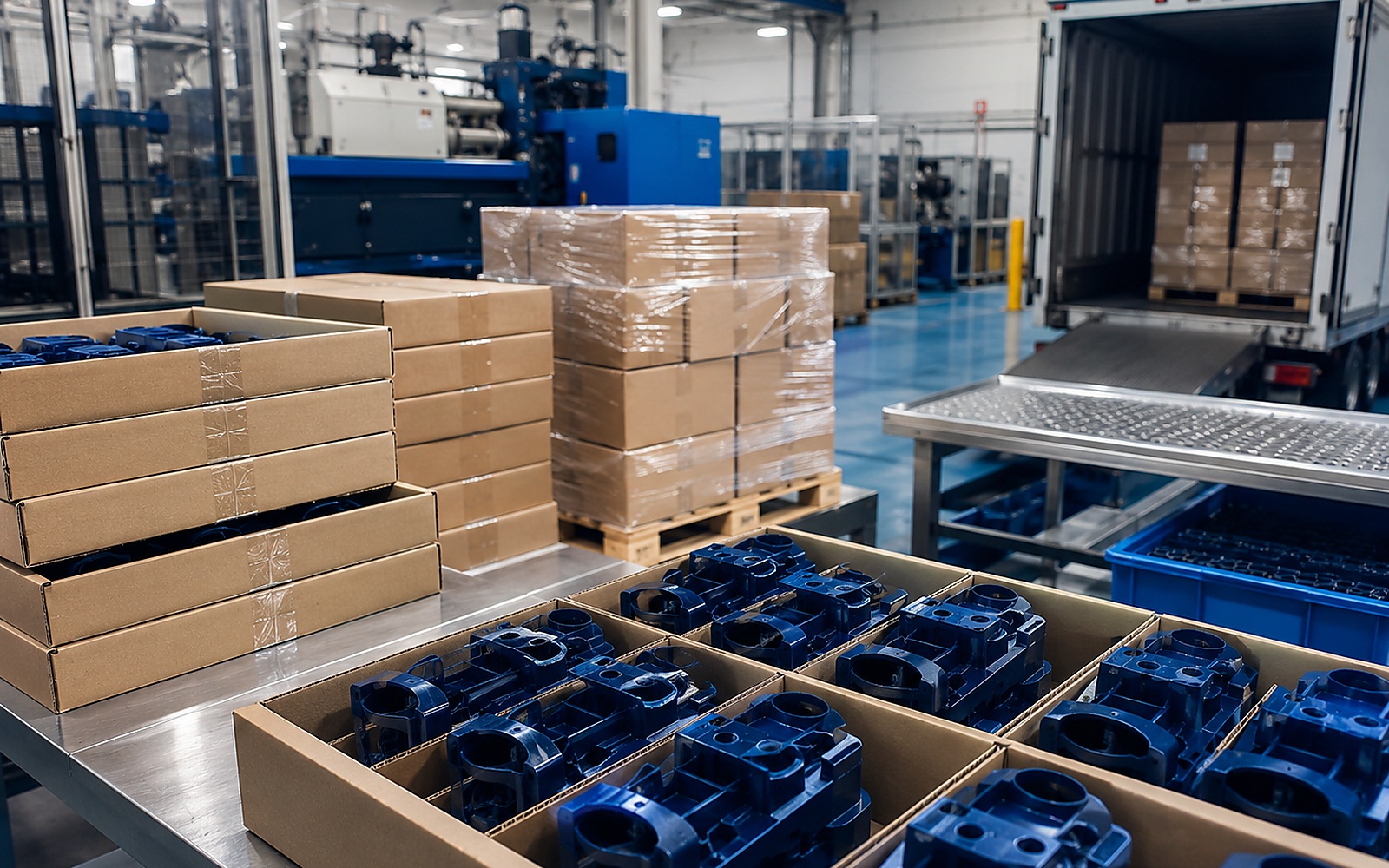
Volume, tool condition, sampling expectations, process control, packaging, and shipment requirements shape consistency over time.
Plastic parts pathQuality is not one-size-fits-all
A cosmetic consumer product, an electronics enclosure, an internal industrial component, and a functional mechanical part can all require different levels of quality definition. The review path should reflect what the part does and what failure would mean.

From quality question to next action
If you know the quality expectations, request a quote. If you have files, samples, or uncertainty, send drawings first. If quality depends on geometry, tooling, or material behaviour, start with DFM or process guidance.
Important boundary
InjectionMouldHub can help buyers organize quality-related project information before qualified manufacturing partner follow-up. Final specifications, quality plans, inspection methods, testing, validation, certification, and production acceptance must be confirmed by qualified parties.
Do not submit regulated, defence-related, export-controlled, highly confidential, or proprietary files unless the right written agreement is in place. Website submission does not create an NDA, binding quote, quality approval, manufacturing agreement, or obligation to proceed.
Quality questions
Helpful details include CAD files, 2D drawings, critical dimensions, tolerances, material requirements, surface finish, cosmetic standards, intended use, inspection needs, packaging expectations, quantities, and any known quality history.
Yes. Photos, samples, sketches, and early files can begin a manual review conversation. A complete RFQ usually needs more detail, but early information can help route the project correctly.
Tolerances can affect tool design, material choice, process control, cycle time, inspection method, cost, and production consistency. Tight or critical tolerances should be identified early.
Use this page to organize part-level quality expectations. Use Process and Quality Guidance when you want broader support around production process, inspection communication, sampling, and partner follow-up expectations.
No. InjectionMouldHub supports intake, preparation, and routing. Final specifications, quality plans, testing, validation, certifications, regulatory requirements, and production acceptance must be confirmed by qualified parties.
No. Website submission supports manual review only. It does not create a binding quote, NDA, engineering approval, quality approval, manufacturing agreement, or obligation to proceed.
Quality clarity
Send what you have. InjectionMouldHub reviews project information before qualified manufacturing partner follow-up.