A project is usually ready for quote review when files, quantities, material context, quality expectations, timing, and tooling status are reasonably clear.
Request a Quote →Project readiness checklist
Determine whether your project is ready for injection moulding review.
Use this checklist to decide whether to request a quote, send drawings, ask for DFM support, clarify tooling, or prepare more information before the first manufacturing conversation.
File-first intake
DFM-aware routing
Tooling clarity
Manual review
Submission supports manual review only. It is not a binding quote, NDA, engineering approval, or manufacturing agreement.

Quick answer
Choose the next step based on how clear the project is today.
You do not need every detail to begin. The right path depends on whether your files, design, tooling, production, material, quality, timing, and confidentiality information are clear enough for review.
A project should usually start with DFM support when design geometry, wall thickness, draft, material choice, or tooling practicality are uncertain.
Explore DFM Support →A project can start with Send Drawings when the buyer has CAD files, sketches, photos, or partial details but is not sure which route fits best.
Send Drawings →Buyer readiness categories
Check the information that shapes a useful review.
The checklist helps reduce uncertainty before routing a project toward DFM support, custom mould review, part-production review, process and quality guidance, drawing upload, quote request, or a contact-first question.
File readiness
Files, drawings, sketches, or part photos
CAD files and 2D drawings are helpful, but early sketches, marked-up photos, reference samples, or revision notes can still support a useful first review.
3D CAD or STEP files
2D drawings or sketches
Part photos or samples
Revision status
Design readiness
Geometry and manufacturability questions
Wall thickness, draft, ribs, bosses, undercuts, shut-offs, assembly features, and DFM uncertainty can all affect the best next step.
Wall thickness
Draft and ribs
Undercuts
DFM uncertainty
Tooling readiness
New mould, existing mould, or tool transfer
Tooling status changes the conversation. A new mould, existing mould, transfer tool, or sampling question should be described before partner follow-up.
New mould
Existing tool
Tool transfer
Sampling expectations
Production readiness
Quantity, repeatability, and production stage
Estimated first order, annual volume, repeat orders, prototype stage, and production readiness help identify whether the project is early, quote-ready, or production-path focused.
First order
Annual volume
Repeatability
Production stage
Material readiness
Resin, performance, exposure, finish, and colour
If the resin is unknown, describe what the part must survive: temperature, UV, chemicals, flexibility, load, cosmetic finish, colour, or regulatory requirements.
Resin preference
Performance needs
Temperature or UV
Finish and colour
Quality readiness
Tolerance, cosmetic, inspection, and fit expectations
Critical dimensions, assembly fit, cosmetic surfaces, testing, documentation, and approval process details can prevent avoidable back-and-forth.
Critical dimensions
Cosmetic surfaces
Inspection needs
Approval process
Commercial readiness
Timeline, budget context, destination, and packaging
Timeline goals, budget context, delivery destination, packaging expectations, and shipping or export needs help guide a realistic intake conversation.
Target timing
Budget context
Delivery destination
Packaging needs
Confidentiality readiness
Sensitive files and agreement expectations
Do not send highly sensitive, regulated, export-controlled, or proprietary files until the right written agreement is in place. Contact first when confidentiality is the main concern.
NDA need
Sensitive files
Proprietary details
Regulated concerns
Decision router
Use the path that matches your current uncertainty.
A premature quote request can slow down review. A clearer first route helps the right information reach the right conversation faster.
I have files, but I am not sure what route fits
Start with the file-first path when you have CAD files, drawings, sketches, photos, or reference parts and want manual review before choosing the next step.
Send Drawings →
The design may need manufacturability input
Use DFM support when wall thickness, draft, ribs, bosses, undercuts, material choice, or tooling practicality may affect the project direction.
DFM Support →
Tooling is the central decision
Use the custom mould route when the main question is mould scope, tooling complexity, sampling, tool transfer, or new tool preparation.
Custom Injection Moulds →
The part supply path matters most
Use the plastic parts route when you are focused on repeat production, materials, volume, quality expectations, delivery, and ongoing part supply.
Plastic Parts →
Quality expectations need to be clarified
Use process and quality guidance when tolerance, cosmetics, inspection, assembly fit, documentation, or approval process details need attention.
Quality Guidance →
The project details are ready for review
Use the quote form when files, quantities, material context, timing, tooling status, and quality expectations are reasonably clear.
Request a Quote →
Products and services guidance
See the review areas that usually drive the next step.
Project readiness is not only about files. It also includes material options, part function, mould scope, production expectations, inspection needs, timing, and confidentiality boundaries.

Files and drawings
Start with what you have
CAD, drawings, sketches, photos, or sample references can help identify whether the next step is quote review, DFM support, or a file-first conversation.

Design review
Use DFM when the design is uncertain
If geometry or material choice may affect manufacturing, do not force the project into a quote path too early.

Tooling scope
Clarify the mould conversation
A new mould, existing mould, tool transfer, or sampling requirement changes the information needed for useful review.
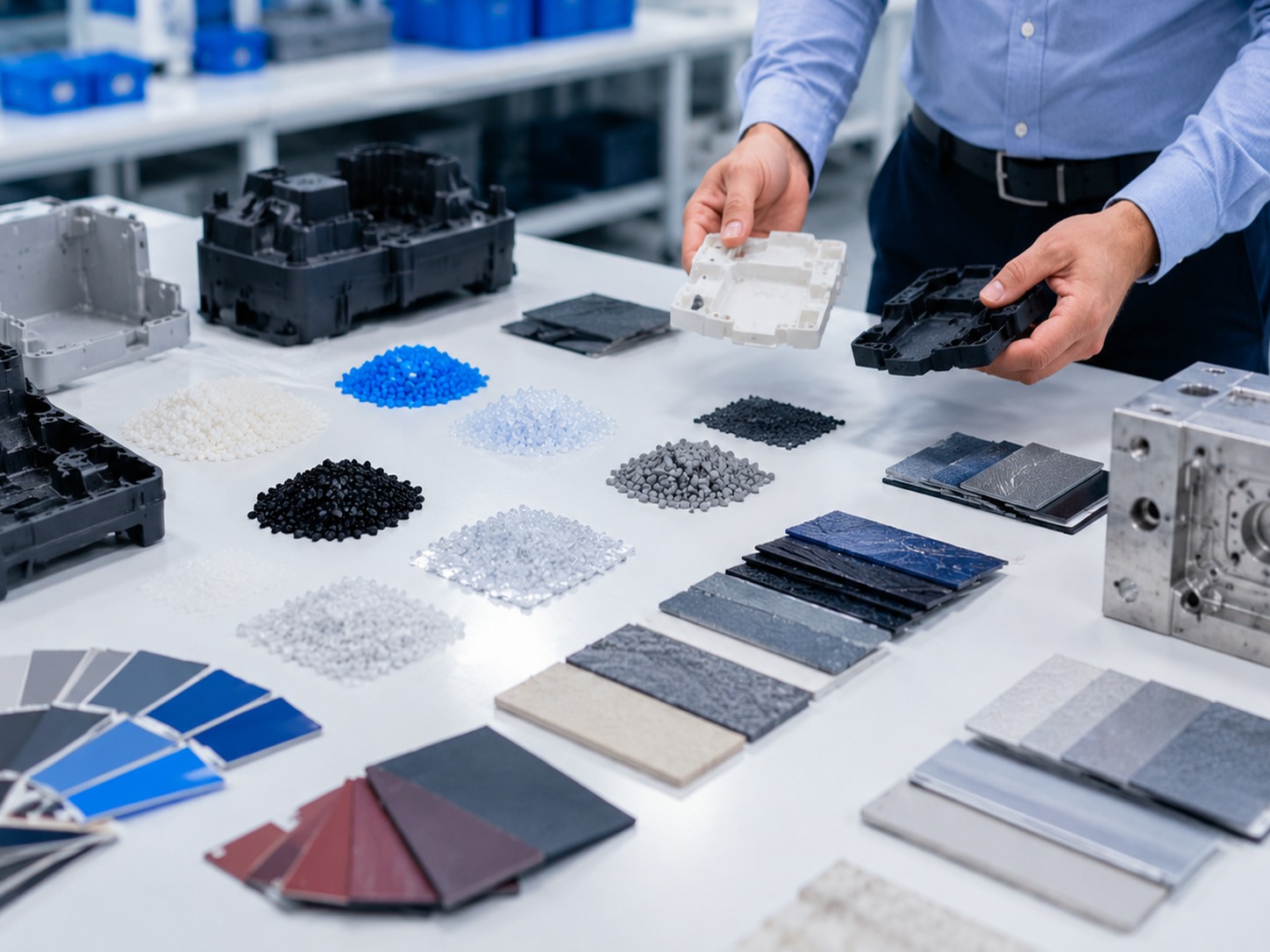
Materials and quality
Make performance expectations visible
Material, tolerance, finish, colour, environmental exposure, assembly fit, and inspection expectations all shape the review.

Before you submit
Helpful project details make the first review more useful.
Partial information is acceptable, but clearer inputs help separate early design uncertainty from quote readiness. The goal is to route your project toward the most useful next conversation, not to force it into the wrong form.
Drawings, CAD files, sketches, part photos, quantities, material notes, timeline goals, tolerance needs, and application context.
Highly sensitive, regulated, export-controlled, or proprietary files that require a written agreement before disclosure.
InjectionMouldHub supports project intake, RFQ preparation, drawing upload, manual review, and qualified manufacturing partner routing. It does not claim direct factory ownership, guarantee pricing, provide formal engineering approval, or create a binding manufacturing agreement through form submission.

Ready, almost ready, or still early?
The checklist should point to action.
Use the route below to keep moving without overcommitting. Each path keeps the review practical and aligned with the information you have now.
Project readiness questions
Common questions before requesting review.
These answers help you decide whether to submit a quote request, upload drawings, ask for DFM support, or contact support first.
How do I know if my injection moulding project is ready for a quote?
A project is usually ready for quote review when files, target quantities, material context, quality expectations, timing, and tooling status are reasonably clear. If several of those details are missing, Send Drawings or DFM Support may be the better first step.
What if I only have sketches or early CAD?
You can still start. Sketches, early CAD, photos, or part samples can help identify whether your project needs DFM support, custom mould review, production-path review, or more information before a quote request.
Should I request a quote or send drawings first?
Request a quote when your project details are fairly organized. Send drawings first when you have files or reference materials but are unsure whether the project is ready for quote review.
When should I use DFM support?
Use DFM support when design geometry, wall thickness, draft, ribs, bosses, undercuts, material choice, or tooling practicality may affect manufacturability or production cost.
What if I do not know the material yet?
Share the application, performance needs, exposure conditions, flexibility, temperature, UV, chemical, cosmetic, colour, or durability expectations. Material uncertainty is common during early intake.
Can I submit confidential files?
Do not submit highly sensitive, regulated, export-controlled, or proprietary files until the right written agreement is in place. Use Contact first if confidentiality is a primary concern.
Is this a binding quote?
No. This checklist and any intake submission support manual review only. They do not create a binding quote, NDA, manufacturing agreement, engineering approval, or obligation to proceed.
What happens after I submit?
Submitted details are reviewed manually. If the project appears suitable for next-step discussion, a qualified manufacturing partner follow-up may be arranged based on the information provided.
Move to the right next step
Send the project information you have today.
If the project is detailed, request a quote. If the files are ready but the route is uncertain, send drawings. If the design needs manufacturability review, start with DFM support.