DFM review
1 to 3 business daysInitial review of drawings, files, requirements, and manufacturability questions before a project route is confirmed.

Lead times
Injection moulding timelines become clearer when files, tooling scope, sampling needs, quality expectations, production volume, and delivery context are visible early.
Lead time guidance is for planning only. Final timing requires project review and manufacturing partner confirmation.

Typical planning sequence
These ranges are planning examples for common project conversations. Actual timelines vary by design, tooling, sampling, material, production, partner capacity, and approval requirements.
Initial review of drawings, files, requirements, and manufacturability questions before a project route is confirmed.
Tool design, engineering, build, and sample preparation. Actual timing depends on mould complexity, cavities, steel, finish, and scope.
T1 samples, fit checks, functional feedback, material confirmation, finish review, and buyer approval steps.
Production planning, setup, moulding, inspection, packaging, and release based on order size and part complexity.
Shipping method, packaging, destination, customs/export context, and logistics coordination can affect final delivery timing.
Timing drivers
Most timing delays are caused by missing information, changing requirements, tooling complexity, material questions, sampling feedback, or production planning details.

Complex geometry, tight tolerances, undercuts, surface requirements, and assembly interfaces usually require more review time.

New tools often require more time than existing tool review, tool transfer discussion, or repeat production from an approved mould.

Complete CAD files, 2D drawings, revision notes, and clear requirements help reduce clarification loops and avoid rework.
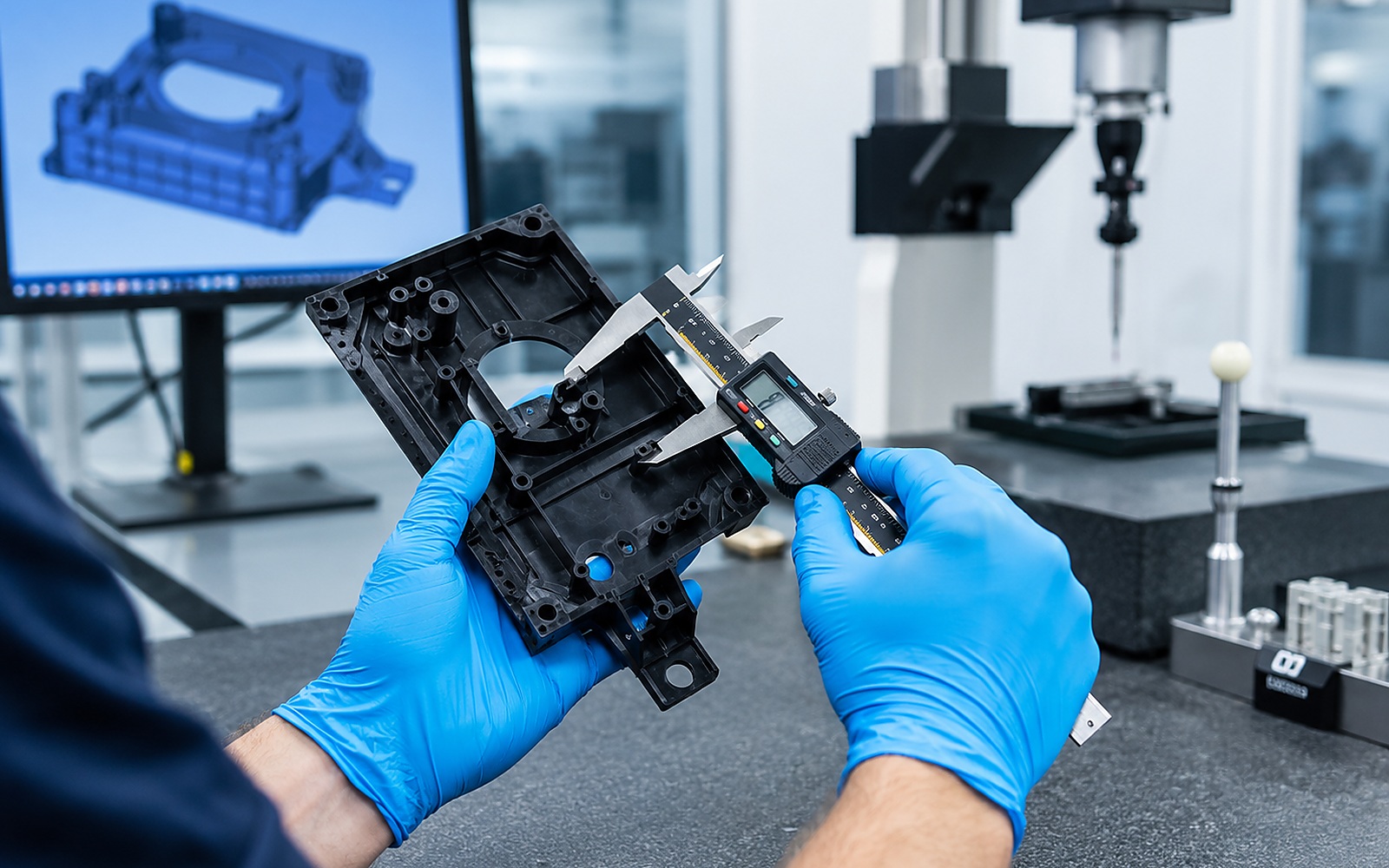
Specialty materials, colour matching, additives, approvals, and sourcing requirements can extend the timing conversation.
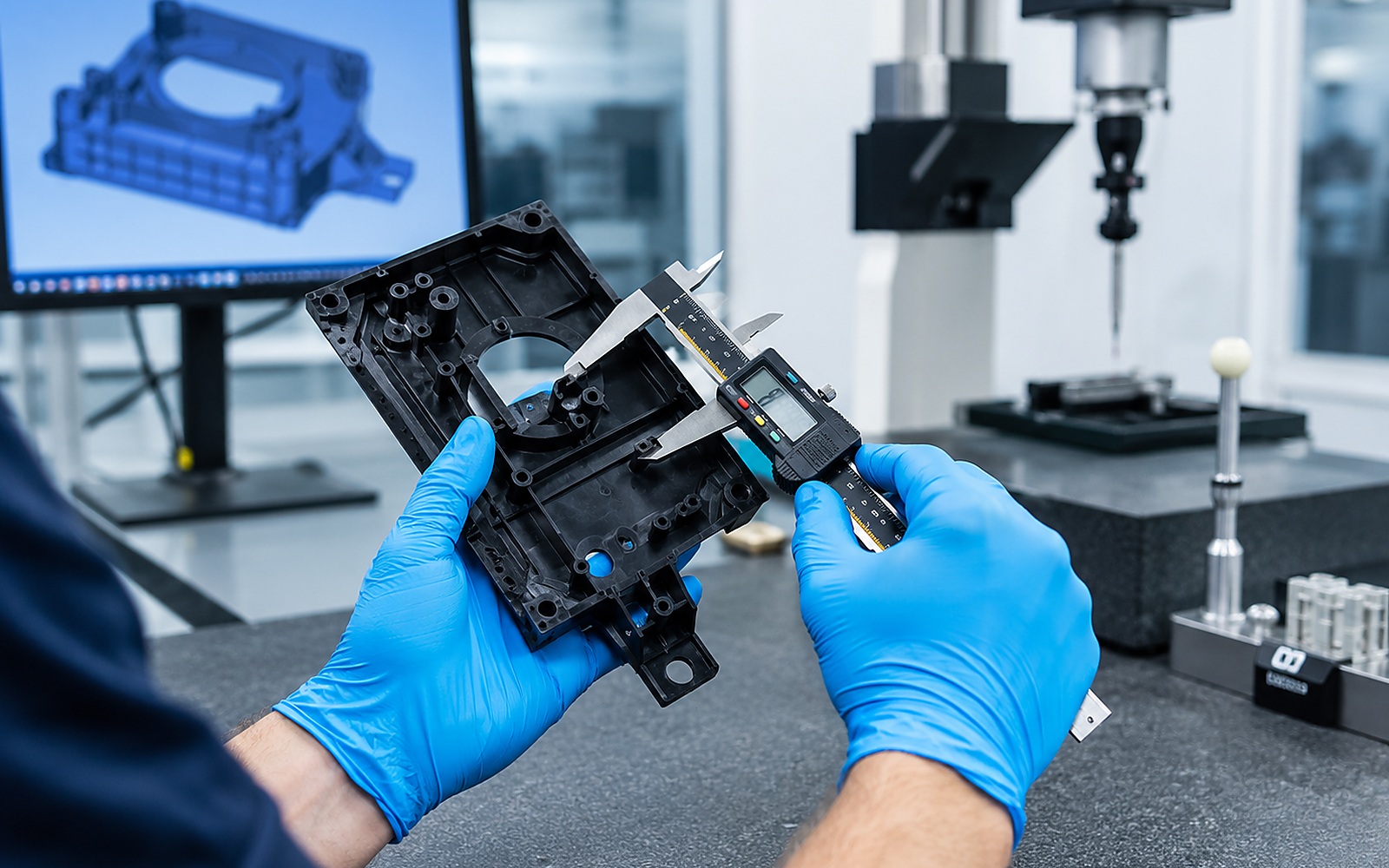
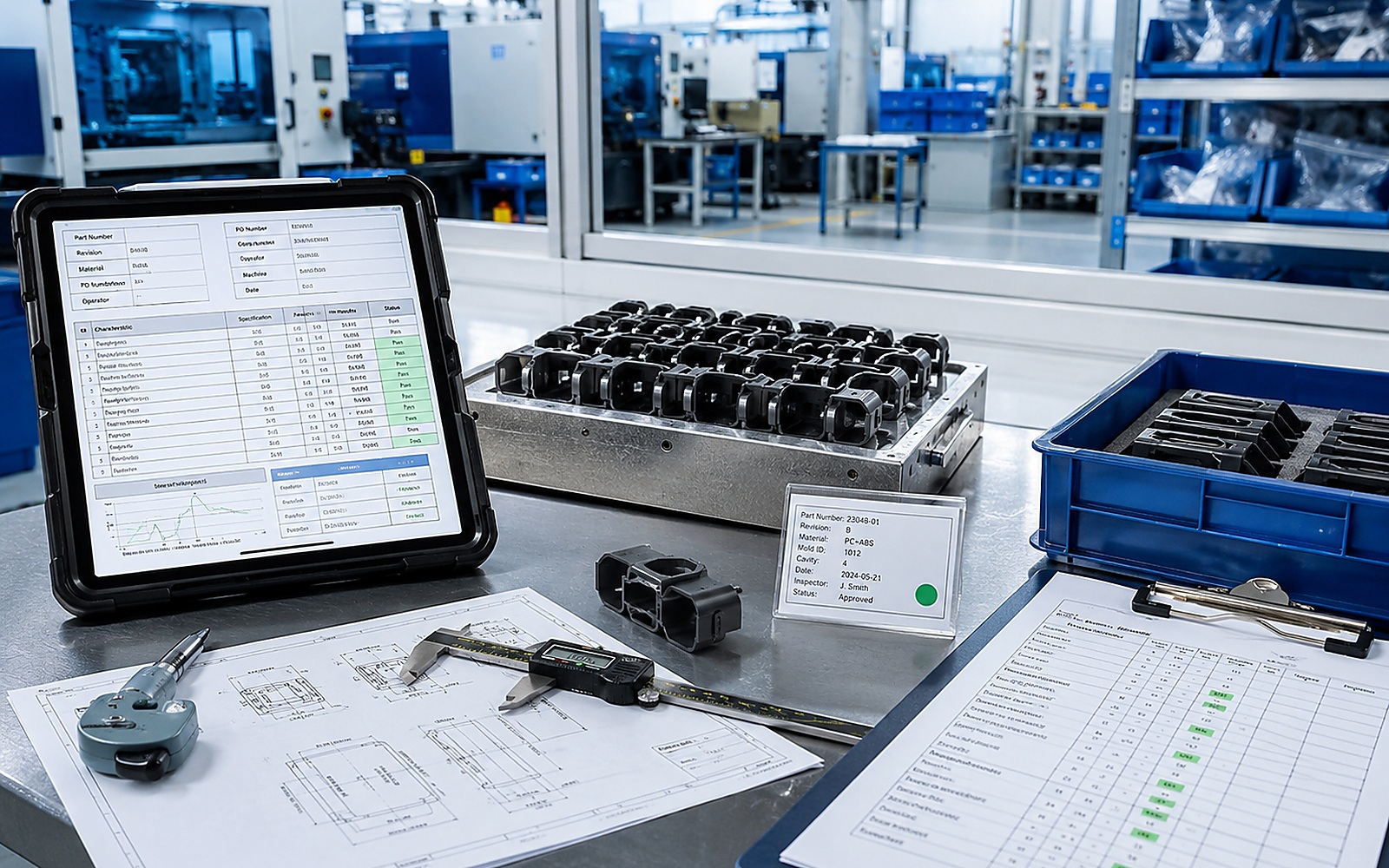
T1 samples, fit checks, functional testing, cosmetic feedback, documentation, and approval cycles should be planned early.
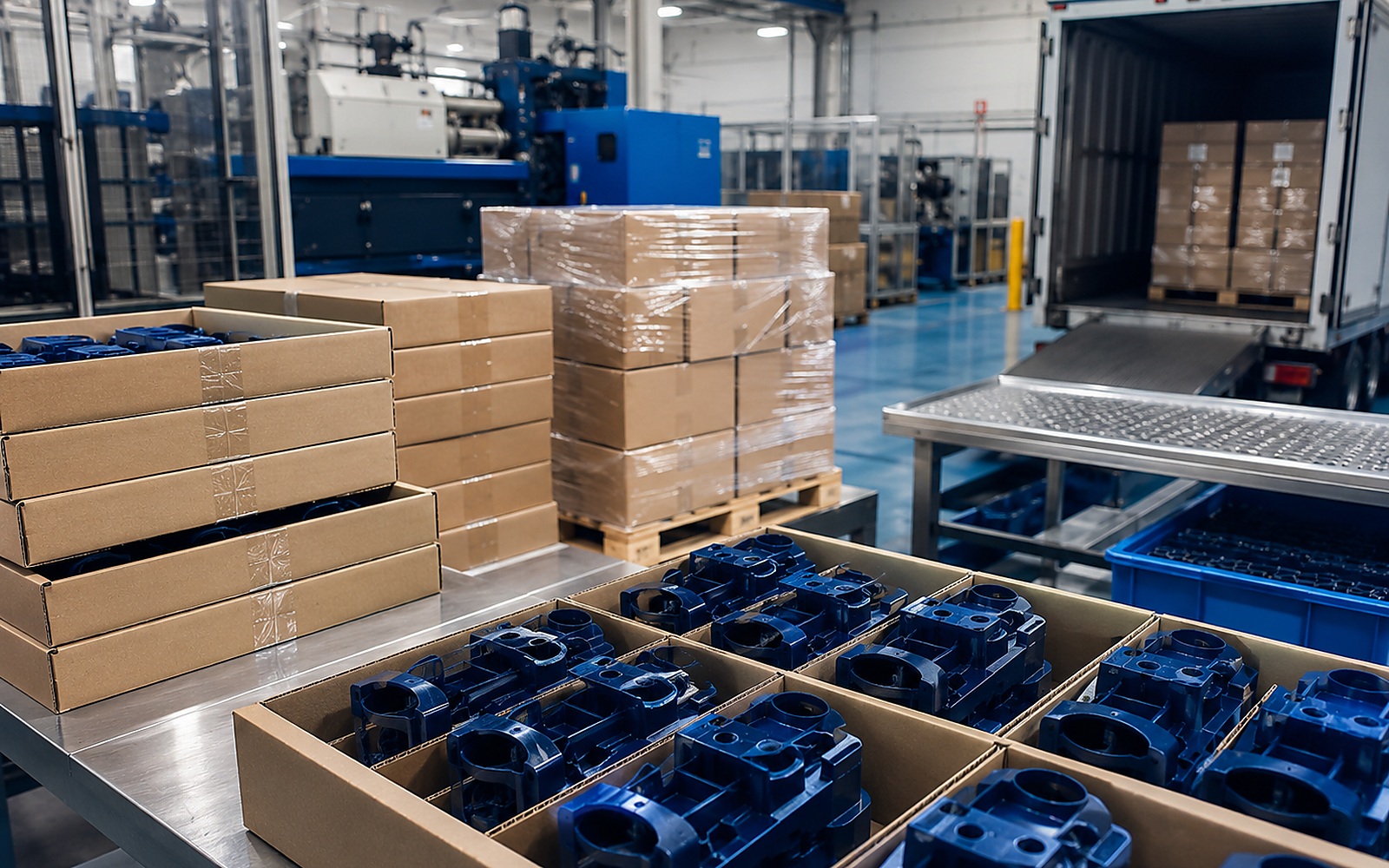
Production quantity, packaging, shipment method, delivery destination, and export context can affect the final timeline.
Choose the right first step
Use the route that best matches your current project stage. The goal is to reduce uncertainty before qualified manufacturing partner follow-up.
Files are ready
Use this route when you have CAD, drawings, samples, photos, quantities, or partial project details and want a manual review before partner follow-up.
Send DrawingsProject details are clear
Use this route when drawings, quantities, material direction, quality expectations, timing, and delivery context are ready for RFQ intake.
Request a QuoteDesign or tooling risk is unclear
Use this route when wall thickness, draft, ribs, bosses, undercuts, material choice, surface finish, or tooling practicality may affect timeline.
Review DFM Support
Stay on schedule
CAD files, 2D drawings, quantities, material direction, and revision notes help the first review move faster.
Share launch dates, sample deadlines, production windows, and delivery constraints before the review begins.
Identify who signs off on samples, tolerances, colour, fit, function, documentation, and packaging.
Changes after tooling, sampling, or production planning can affect cost, timing, and approval flow.
Important timing boundary
InjectionMouldHub supports project intake, preparation, and routing. Final timing, pricing, production feasibility, tooling scope, delivery schedule, engineering review, quality requirements, and manufacturing commitments must be confirmed by qualified parties after review.
Submitting a form does not create a binding quote, confirmed lead time, NDA, engineering approval, manufacturing agreement, or obligation to proceed.
Lead time questions
Lead time varies by files, design readiness, tooling complexity, material, sampling, approval steps, production volume, packaging, shipping, and manufacturing partner capacity. Any timing shown on this page is planning guidance only, not a guarantee.
Helpful details include CAD files, 2D drawings, target quantities, material direction, finish requirements, tolerances, intended use, sample needs, production timing goals, packaging, and delivery destination.
New moulds often require design review, tool engineering, machining, polishing, fit checks, sampling, and adjustment before production can begin. Existing moulds or repeat projects may follow a different path.
Send drawings first when files exist but timing, manufacturability, material, tooling, or quality expectations are uncertain. Request a quote when the project package is reasonably complete.
Yes. DFM review can surface geometry, wall thickness, draft, material, tooling, sampling, or quality factors that affect tooling, production, or delivery timing.
No. Website submission supports manual review only. It does not create a binding quote, confirmed lead time, engineering approval, manufacturing agreement, NDA, or obligation to proceed.
Plan your timeline
Send drawings, quantities, material direction, timing goals, and project notes so the review can identify the right next step.