Tooling optimisation

Improve tooling decisions before cost, quality, or timing drift.

Injection mould tooling choices shape part consistency, production risk, validation expectations, and long-term cost. Use this guide to prepare better questions before sending drawings or requesting quote review.

Guidance is for intake and project preparation only. It does not replace qualified mould engineering, testing, validation, or final production approval.

Tooling decision support

A mould is not only a project cost. It is the repeatability system behind the part.

Tooling decisions connect the part design, resin behaviour, production volume, tolerance expectations, cosmetic requirements, inspection method, and long-term supply path. When these details are reviewed early, the project is easier to route and harder to misunderstand.

New moulds Existing tools DFM risk Quality expectations
Diverse technical review team examining injection mould tooling and plastic parts
Tooling clarity helps turn design intent into a stronger manufacturing conversation.

Choose the right route

Start with the path that matches your tooling question.

The best next step depends on whether you are planning a new mould, checking manufacturability, reviewing an existing tool, or preparing a quote package.

New mould planning

You need a custom mould path when the tool is central to project feasibility.

Best for new product launches, new part designs, tool-build questions, cavity-count planning, tooling budget preparation, or projects where mould complexity drives the discussion.

Custom Mould Path

Design uncertainty

You need DFM support when the part may not be ready for tooling decisions.

Best when draft, walls, ribs, bosses, undercuts, parting lines, material behaviour, or surface finish may affect whether the part can move cleanly toward tooling.

Review DFM Support

Files available

You should send drawings when you have partial files but are unsure of the best route.

Best when you have CAD, 2D drawings, photos, samples, tool history, or production issues and want manual review before qualified manufacturing partner follow-up.

Send Drawings

What affects tooling outcomes

Six areas worth clarifying before tooling decisions are locked.

Tooling review is strongest when it connects the part design to production reality. These factors often shape cost, lead time, maintenance, and quality expectations.

Diverse team reviewing injection moulded product samples and tooling strategy

Part geometry and tool action

Wall thickness, draft, ribs, bosses, shut-offs, undercuts, living hinges, threads, and parting-line choices can all affect tool complexity and mouldability.

Review DFM support
Clean review table with moulded parts, material samples, and tooling context

New mould or existing tool

A new mould, tool transfer, repair question, or existing production issue each needs a different review path and a different information package.

Send tooling details
Professional tooling review with mould block and production-planning context

Cooling, cycle, and repeatability

Cooling layout, part thickness, resin behaviour, and tool construction can influence cycle time, dimensional control, and long-term production economics.

Review part supply path
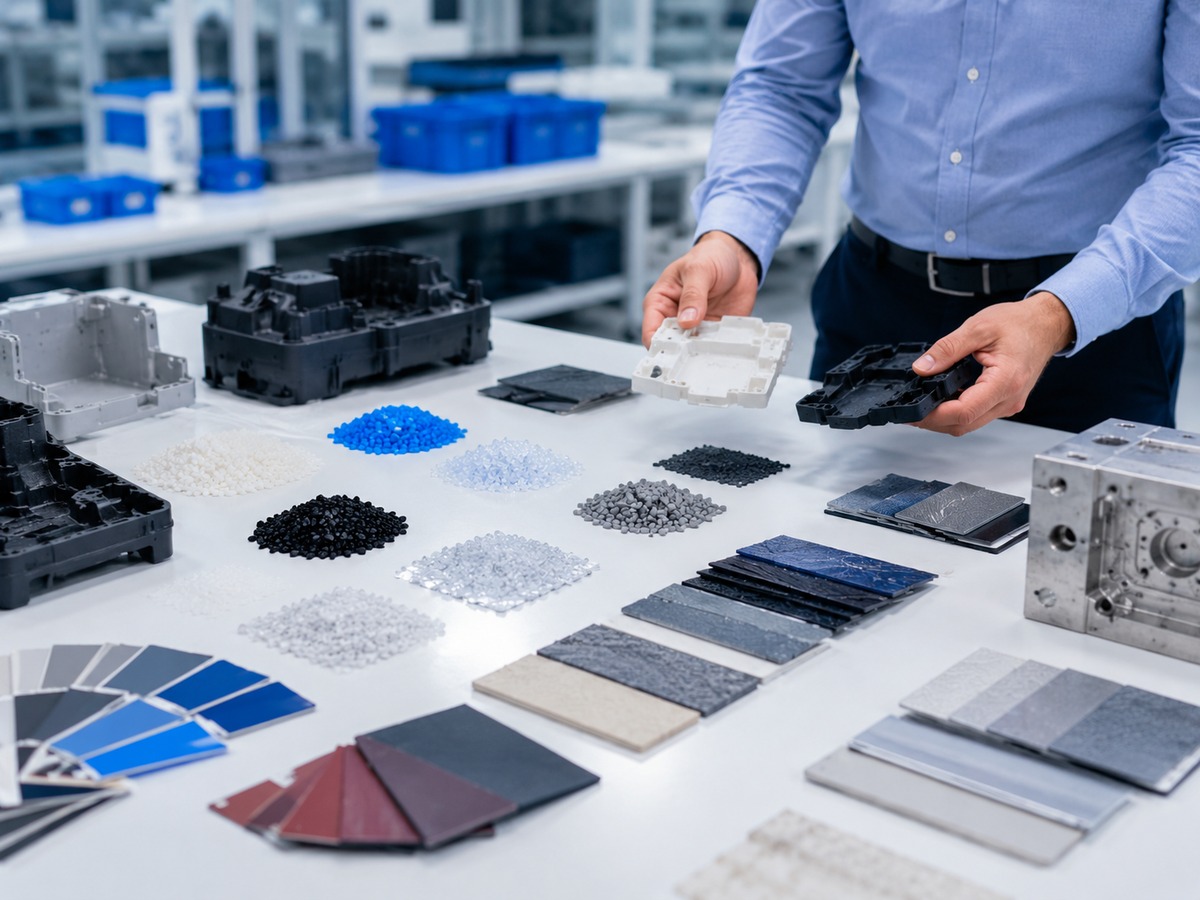
Engineering review of plastic parts, resin pellets, and material swatches

Material behaviour

Shrinkage, flow, drying, fillers, texture, finish, colour, temperature exposure, and chemical resistance can change tooling assumptions before quote review.

Review material guidance
Buyer support review of injection moulded prototypes and inspection expectations

Tolerances and inspection

Critical dimensions, assembly fit, cosmetic surfaces, inspection method, and approval expectations should be clear before tooling decisions are locked.

Quality guidance
Injection moulding project team reviewing drawings and plastic parts

Quote-ready documentation

CAD files, 2D drawings, photos, target volumes, material notes, quality expectations, timeline, and shipping context make tooling review easier to route.

Prepare RFQ details
Professional review of plastic part samples and tooling options
Existing tool questions and new mould planning should not be treated as the same intake path.

New mould or existing tool?

Different tooling situations need different questions.

A new mould project may need DFM, material direction, cavity-count assumptions, sampling expectations, and quote preparation. An existing tool question may need review around wear, production variation, maintenance, transfer risk, part quality, or historical issues.

New mould planning Clarify geometry, material, part function, volumes, tolerances, finish, and production expectations before quote review.
Existing tool review Share photos, tool history, production symptoms, part issues, material notes, and current quality concerns.

Before you submit

Prepare enough context for a useful tooling conversation.

You do not need a perfect package to begin. A clear first submission helps route the project to the correct review path.

01

Confirm what is being reviewed

Identify whether this is a new mould, an existing tool, a transfer question, a repair concern, or a production issue.

02

Share the files you have

Send CAD files, 2D drawings, part photos, sample photos, tool photos, or sketches when available.

03

Describe the production target

Include first-order quantity, annual volume, repeat expectations, lead-time pressure, and whether the project is prototype, bridge, or production stage.

04

Clarify quality expectations

List cosmetic surfaces, tolerances, fit requirements, inspection needs, approvals, and known production concerns.

05

Route the project to the right next step

Move to Send Drawings, Request a Quote, DFM Support, Custom Moulds, or Process and Quality Guidance depending on what is known.

Path to conversion

Move from tooling uncertainty to the right next action.

If the files are ready, submit them. If the design is uncertain, start with DFM support. If quality expectations are central, review process and quality guidance. If the package is clear enough, request quote intake.

North America-facing intake

Manual review is part of the value.

InjectionMouldHub helps buyers organize project information before qualified manufacturing partner follow-up. The review path is designed to reduce confusion, identify missing details, and improve the quality of the manufacturing conversation.

Professional buyer support team reviewing tooling drawings and moulded parts
Better intake creates a clearer route before partner follow-up.

Tooling questions

Common questions before sending tooling or mould information.

What is tooling optimisation for an injection moulding project?

Tooling optimisation means reviewing the factors that shape mould complexity, production repeatability, part quality, timing, and cost before a project moves too far into quoting, tool build, repair, or transfer discussion.

Should I send drawings before requesting a tooling quote?

If you have CAD files, 2D drawings, sketches, part photos, sample photos, or tool history but are not sure the project is quote-ready, Send Drawings is usually the better first step.

When should I use DFM support instead of requesting a quote?

DFM support is usually better when geometry, wall thickness, draft, ribs, bosses, undercuts, tolerances, material choice, or surface finish may affect mouldability or tooling practicality.

Can an existing injection mould be reviewed?

Available drawings, photos, production history, issue descriptions, material notes, and quality expectations can be submitted for intake review. Qualified manufacturing partner follow-up may be recommended when the project is a fit.

Does this page provide final mould engineering approval?

No. This page provides project-planning guidance and intake support only. Final mould design, engineering, validation, testing, certification, and production decisions must be confirmed by qualified professionals.

Does submitting tooling information create a quote or manufacturing agreement?

No. Website submission supports manual intake review only. It does not create a binding quote, NDA, engineering approval, manufacturing agreement, or obligation to proceed.


Ready to review a tooling question?

Send the project context you have.

Share drawings, CAD files, part photos, known issues, quantities, material assumptions, and quality expectations. Manual intake review can help clarify the right next step.